How to Develop a Telemedicine App: From Vision to Product Launch

Telemedicine app development is one of the hottest areas of healthcare software development in 2026. It’s going to gain momentum in the years to come, and entrepreneurs have a great window to build transformative businesses in the USA healthcare space.
Here are some insights that convey a convincing picture about the rapid growth of telemedicine application development and why it’s the next big thing in healthtech.
- Firstly, 2021 saw digital health startups across the USA raising $21 billion in venture funding, while in 2020 it was $14 billion.
- Moreover, by 2026, the digital therapeutics market is projected to reach $13.1 billion, up from $3.4 billion in 2021.
- Also, in 2020, the remote patient monitoring market across the globe was just $975 million. By 2027, it’s expected to reach $3.24 billion.
- Furthermore, in 2017, 45.8% of individuals suffering from chronic health conditions used mHealth apps. In 2019, the figures rose to 59.8%. This shows growing interest in healthcare businesses in telemedicine software development.
- In 2022, the worldwide telehealth market was $128.12 billion, and is projected to reach $504.24 billion by 2030. That’s a CAGR of 19.7%.
- 50% of hospitals in the USA today use telemedicine as part of their core offerings and generate more than $11.8 billion.
- A survey was conducted over 15 major US cities. It found that patients had to wait an average of 24 days for a doctor’s appointment. They expected to have a custom telemedicine app in place that could connect them with a doctor immediately.
- CISCO reports that 74% of patients prefer using telehealth apps as compared to in-person consultations.
What are the Benefits of Telemedicine App Development
The benefits of having a high-quality, feature-rich, highly user-friendly, and personalized telemedicine app are many.
- For patients, it improves access to high-quality health care, whether it’s from rural or urban areas. Location independence is the biggest benefit.
- It facilitates remote diagnosis and treatment of critical health issues without the need for in-person doctor visits.
- It generates real-time health data of a patient that helps in building personalized treatment plans with enhanced clinical efficiency.
- Improves management of patient data through custom EHR systems, streamlines doctor appointment scheduling, and optimizes patient-doctor communication.
- It reduces the time for treating a patient with an appropriate healthcare regimen. Also, boosts patient satisfaction and facilitates personalized treatment.
- Cost-effective treatment is another biggest advantage of telehealth app development. Patients save a fortune in diagnosis and treatment costs over the entire life cycle. For practitioners, it increases the number of consultations on average. So, a win-win for both patients and healthcare providers.
- Best healthtech product to have for the post-pandemic shift to a remote/virtual lifestyle. Reduces the friction between getting access to the best healthcare services.
- Revolutionizing the healthcare industry and leveling up the quality of treatment provided to individuals.
Types of Telemedicine Apps That Healthcare Businesses Can Build
As a digital entrepreneur in the USA healthcare space, businesses can indulge in various types of telemedicine application development ideas, like:
- Digital Therapy Apps: Best for both patients and providers because they can be used in the form of convenient wearables and can be used to deliver and track therapies to the individual.
- Remote Monitoring Apps: Remote telemedicine apps are best suited to provide remote care to patients, as they help in gathering precise data with accuracy. Not only do they monitor patient vitals remotely, but they also generate critical health data that can be used to personalize treatment regimens accordingly.
- Telemedicine Apps for Chronic Health Conditions: Custom telemedicine app that helps in identifying and notifying the practitioner about critical chronic ailments for prompt treatment and reducing delays. Best for tackling emergencies and critical vulnerabilities in patient health.
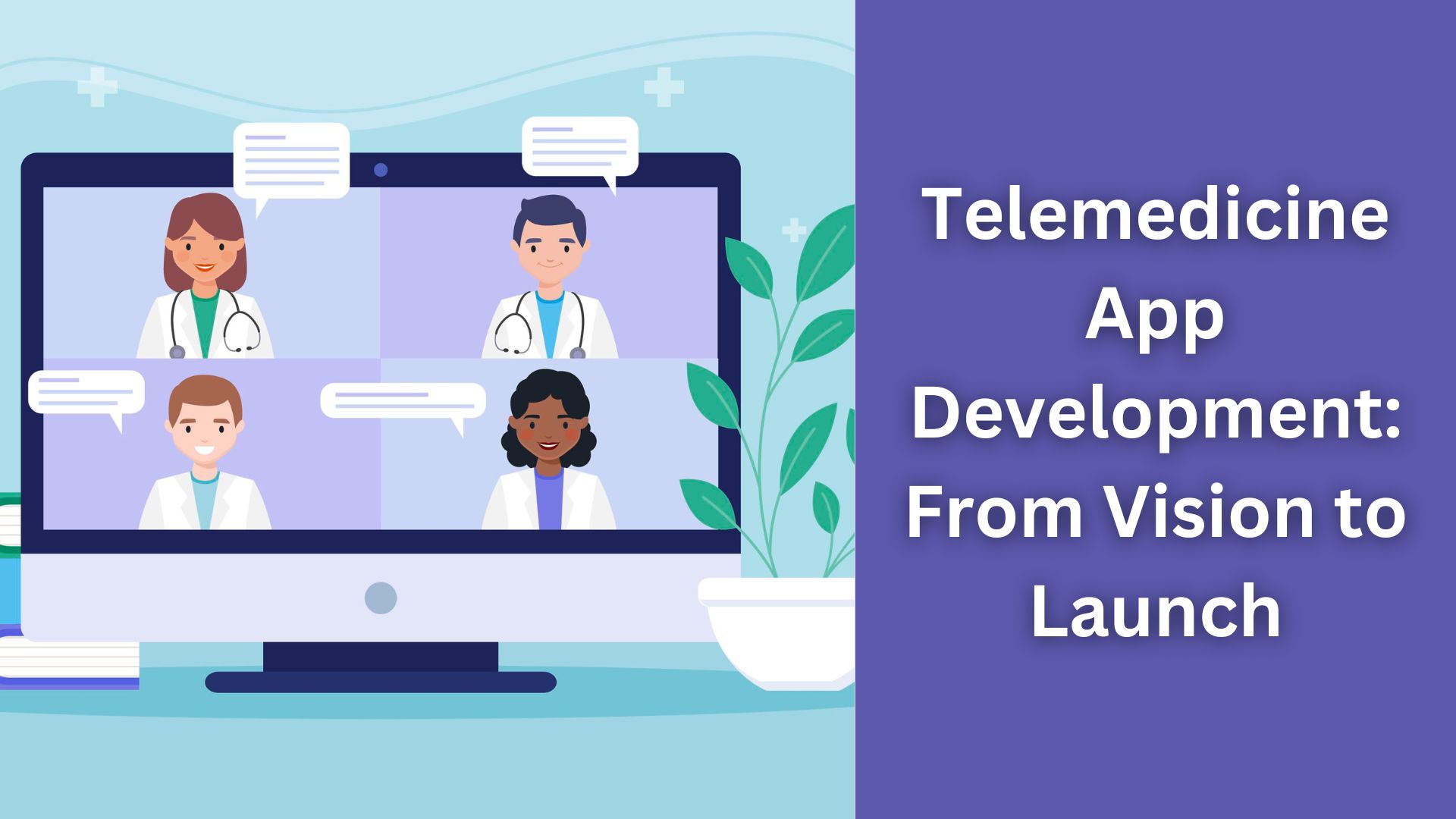
- Real-Time Telemedicine Apps: These apps allow practitioners and patients to communicate in real time using tools like audio and video conferencing. It also helps in real-time generation and exchange of individual health data between practitioner and patient for quick reference and the generation of treatment plans.
- Store and Forward Apps: Telehealth app Development for Store and forward apps enables healthcare professionals to interchange critical patient reports amongst each other. A doctor can easily share the patient report with the diagnostics lab, pharmacy manager, radiologist, or any other specialist for proper and fast patient treatment.
Must Have Features in a HIPAA Compliant Telemedicine App
Startups or enterprise businesses looking to venture into telemedicine software development, these are the must-have features to add to your telemedicine platform for the best user experience.
- For Patients
Telemedicine app development for patients includes building must-have features like:
- Video and Audio Consultation
- Text Chatting feature
- Online appointment scheduling
- Profile Management
- EHR integration
- Record and File Sharing
- Secure Payment gateway integration
- Rate and review a healthcare provider
- For Doctors
A Custom Telemedicine app for doctors must have features like:
- Patient appointment management
- Calendar management
- E-prescription generation and management
- EHR integration
- Patient Information Management
- Consultation Recording
- Practitioner Profile Verification and License Check
- Push Notifications for upcoming appointments.
- For Lab Technicians
When engaging in telemedicine application development for lab technicians, you must add functionalities such as:
- Profile management and Verification
- Task Allocation section
- Document Sharing with Doctor/Patient
- Task backlog
How to Monetize a Telemedicine Application
There are four ways to monetize a telemedicine software, while you decide to partner with a telemedicine app development company for building a transformative product for the healthcare sector.
- Subscription Model: Firtly, users can subscribe to the application on a monthly, quarterly, or yearly basis. This can be for a certain amount of fee. This ensures retainer customers and boosts customer lifetime value.
- Pay Per Consultation Model: Moreover, another model to monetize your telemedicine app is to charge the user on a pay-per-consultation basis. Every type of consultation will be capped at a fixed rate fee, which the user has to pay along with applicable taxes.
- In-app Advertising Model: Also, businesses looking to promote their ventures can run banner ads within a telemedicine app to promote their offerings. This acts as a great source of revenue generation for the telemedicine app.
- In App Purchases: Furthermore, these are additional purchases. These may include access to specific features and functionalities that can unlock an additional level of care for the user.
How to Develop a Telemedicine App: Step-by-Step Process
Telemedicine software development goes through a systematic and seamless process that emerging and established businesses can follow to build revolutionary telehealth apps.
-
Step 1: Discovery Phase + MVP development
Firstly, the initial step to telehealth app development is to finalize your requirements through extensive market research and finding the gap in addressing end-user pain points. Also, define problem statement, create user personas, and build a basic MVP to test the market demand with core features only.
-
Step 2: Design Phase
Furthermore, once the test audience validate the product idea, the next step is to build a comprehensive UI/UX for the web and mobile application of the telehealth platform. Also, telemedicine mobile app development is as important as building a web app. Most of the users are mobile-first, so this can give your venture an edge over the competition.
-
Step 3: Decide Technology Stack + Actual Development
Some of the top technologies to use for building your telemedicine app include:
- Web: Angular, React, Vue, Node, .NET, Python, PHP
- Mobile: Java, Kotlin, Swift, Xamarin, Flutter, React Native
- Database: MySQL, Redis, PostgreSQL, MongoDB, SQL Server
- Cloud: AWS, Azure, Google Cloud
- Real Time Communication: Twilio, WebRTC, RTMP, Socket.io.
- Payments: Stripe, PayPal
- Security: Data Encryption, MFA, Firewall, Secure Backup, Automatic Logout, Backups, Access Control
Also, once the technology stack is finalized, then begins the actual development of the functionalities across the web and mobile apps
-
Step 4: Testing and QA + Security and Privacy Checks
While the telemedicine app is being developed for the mobile and web platforms, your partner telemedicine app development company must start with software testing in parallel. Also, this must include comprehensive bug testing and quality checks for aspects like application functionality, performance across workloads, usability, accessibility, data security/privacy, and reliability.
-
Step 5: Ensuring Compliance with USA Healthcare Regulations
Furthermore, you must ensure that your telehealth app under development is built according to USA healthcare regulations and standards. These may include HIPAA, FDA, HITRUST, HITECH, and others. Also, these are necessary to ensure the data security of patients and enhance customer experience.
-
Step 6: Deployment and Product launch
Moreover, once your team clears the app for quality assurance and bug testing, you must launch it to gather initial product feedback and rapidly incorporate that into your product version. This beta testing will ensure you listen to your users and fine-tune the app in line with their feedback.
-
Step 7: Ongoing Support and Maintenance
Last but not least, your telemedicine software development services provider must ensure ongoing support and maintenance so that the app can function without any roadblocks. They should suggest new features and modules to improve user experience and get ahead of the competition.
Partner with ChromeInfo Technologies to Build Your Telemedicine App
With 10+ years of experience in building custom telemedicine apps, ChromeInfo Technologies can be your reliable partner in building web and mobile-based telemedicine platforms. Our telehealth app developers have extensive hands-on experience and industry knowledge, and know the ins and outs of USA-based healthcare regulations.
Get a tailored roadmap built to bring your telehealth app to life, leverage modern and emerging technologies to deliver peak performance to your users, and make a position for yourself in the telemedicine market with your platform. We specialize in both open source and Microsoft technologies to build your telehealth app.
Frequently Asked Questions (FAQs)
What are the emerging technologies that can be implemented in telemedicine app development?
Firstly, AI Chatbots, Machine Learning, LLM. Moreover, IOT for healthcare and Blockchain. Furthermore, Big Data, Cloud and Saas, and Analytics. These are some of the mainstream and emerging technologies for developing a telemedicine application.
What are the key challenges while building a telemedicine app?
Firstly, market competitiveness, and innovation. Moreover, it’s providing intuitive care to ensure the best user experience, and comprehensive testing to ensure 100% bug-free software. These are some of the challenges a business owner has to navigate while building a telehealth software.
How much does it cost for telemedicine app development in the USA?
Firstly, factors like no of supported roles to implement, such as patient/doctor/lab, modules and features list. Also, location of the team, developer experience, and level of compliance needed. These are some of the critical factors determining the precise cost of developing a telemedicine app in the USA.
Should I build a Telemedicine app just for mobile platforms like iOS and Android, or for web platforms also?
This decision will depend on the market research you conduct before building your telehealth product. Also, the type of pain point you are trying to solve, and the gap in the telemedicine market you are trying to fulfil. Moreover, these will govern the need for whether you need a web app, mobile app, or both.